
Nutrition for Hair Loss: Which Nutrient Deficiencies May Be Behind It and How to Address Them


Hair loss is a common concern that can be influenced by many factors, including genetics, hormonal changes, stress, medical conditions, and nutrition. While not every case of hair thinning is related to diet, certain nutrient deficiencies may contribute to changes in hair growth and quality.
Understanding the role of nutrition can help identify areas that deserve attention and support overall hair health as part of a balanced lifestyle.
Nutrients That Support Healthy Hair
Protein as the Building Block of Hair
Hair is primarily made of a protein called keratin. When dietary protein intake is consistently too low, the body may prioritize essential functions over hair growth, potentially leading to increased shedding over time.
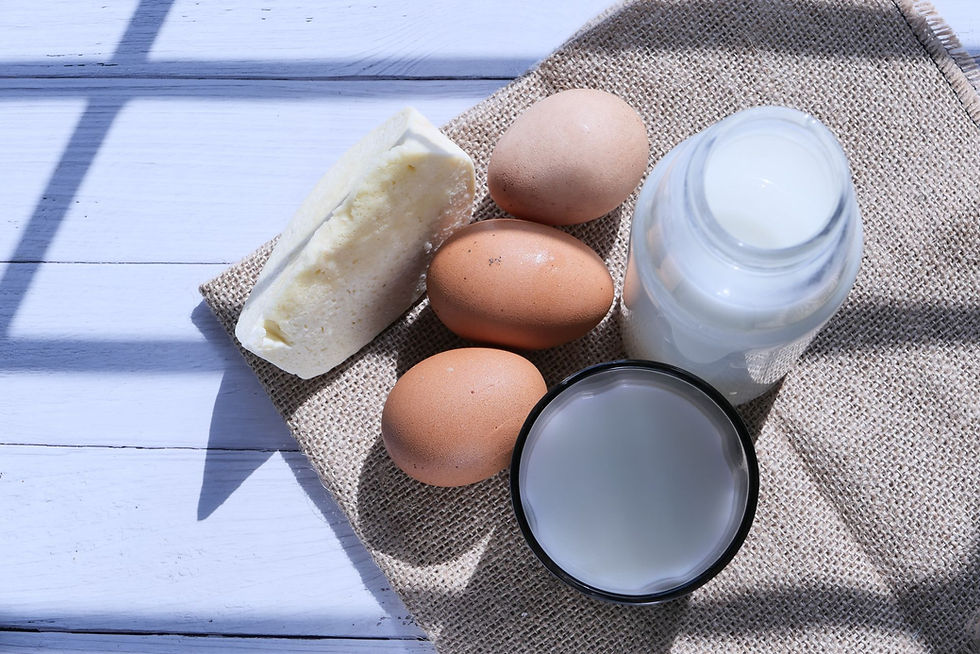
Including adequate sources of lean meats, fish, eggs, dairy, legumes, tofu, and other protein-rich foods can help support normal hair growth.
Iron and Oxygen Delivery
Iron plays an important role in transporting oxygen throughout the body, including to hair follicles. Low iron stores may be associated with increased hair shedding in some individuals, particularly those with heavy menstrual periods or restrictive eating patterns.
If iron deficiency is suspected, a healthcare professional can determine whether testing and treatment are appropriate before recommending supplements.
Zinc for Hair Growth and Repair
Zinc supports cell growth and tissue repair, including the tissues involved in hair production. Although deficiency is relatively uncommon in people with balanced diets, low zinc intake may affect hair health in certain cases.
Good dietary sources include seafood, meat, dairy products, beans, nuts, and seeds.
Vitamin D and Hair Follicle Function
Vitamin D participates in several processes related to skin and hair follicle health. Some research suggests that low vitamin D levels may be associated with certain types of hair loss, although the relationship is complex and depends on each individual.
Sun exposure, fortified foods, fatty fish, and supplementation when medically indicated may help maintain healthy levels.
Looking Beyond Individual Nutrients
Hair health depends on overall dietary patterns rather than a single vitamin or mineral. Extremely restrictive diets, rapid weight loss, skipping meals, or chronic under-eating may reduce the intake of several essential nutrients at the same time.
A balanced eating pattern that includes adequate calories, protein, healthy fats, fruits, vegetables, whole grains, and micronutrient-rich foods provides the foundation for supporting healthy hair.
For people with persistent hair loss or multiple dietary restrictions, a personalized nutrition plan may help identify nutritional gaps while considering individual needs, preferences, and health conditions.
Frequently Asked Questions
Can a vitamin deficiency cause hair loss?
It can in some cases. Deficiencies in nutrients such as iron, zinc, vitamin D, or protein may contribute to hair shedding, but hair loss has many possible causes and should be evaluated individually.
Should I take supplements for hair loss?
Not necessarily. Supplements are most beneficial when a deficiency has been identified. Taking unnecessary supplements may not improve hair health and, in some cases, excessive intake can have unwanted effects.
Which foods are best for healthy hair?
Protein-rich foods, fruits, vegetables, whole grains, healthy fats, legumes, nuts, seeds, fish, eggs, and dairy products all contribute important nutrients that support overall hair health.
How long does nutrition take to affect hair growth?
Hair grows slowly, so improvements related to nutrition often take several months. Consistency with healthy eating habits is generally more important than quick dietary changes.
Conclusion
Nutrition is only one piece of the puzzle when it comes to hair loss, but it is an important one. Ensuring adequate intake of protein, iron, zinc, vitamin D, and other essential nutrients may help support healthy hair growth when deficiencies are present.
If hair loss continues despite maintaining a balanced diet, seeking medical evaluation and working with a registered nutrition professional can help identify contributing factors and develop a personalized nutrition strategy.


Comments