
Hormonal Acne and Nutrition: What the Evidence Says About Dairy, Sugar, and Fats
- MasterMikeP

- Jul 30
- 3 min read
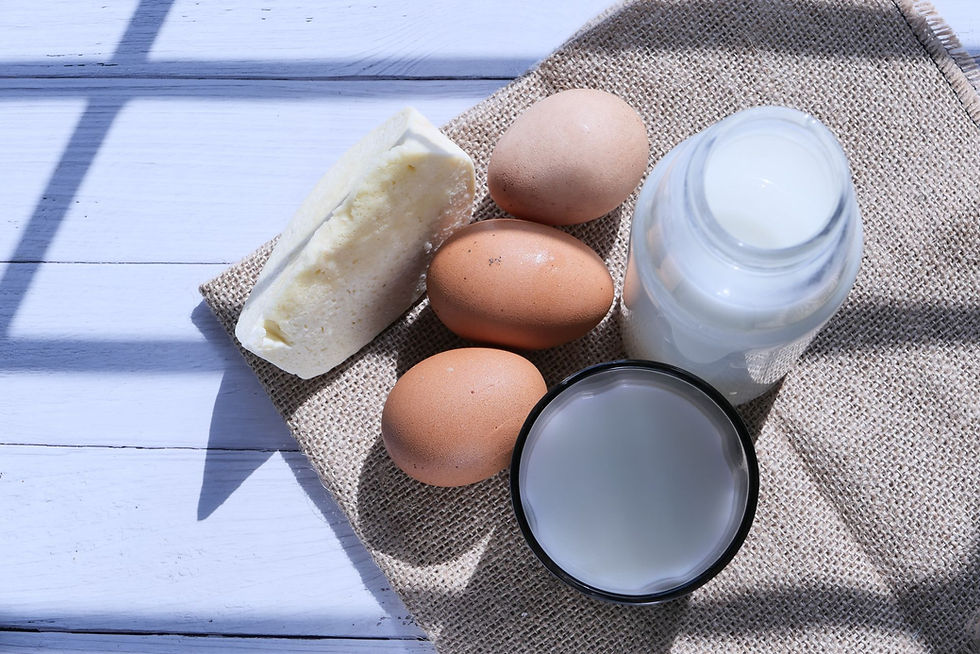
Hormonal acne is a common skin concern that affects teenagers and adults alike. While hormones play a central role, researchers have also explored whether certain dietary habits may influence acne severity. Although nutrition is not the sole cause of acne, some foods may affect breakouts in susceptible individuals.
Understanding what current evidence suggests can help you make informed dietary choices without following unnecessary food restrictions.
Dairy, Sugar, and Fats: What We Know
Dairy Products and Acne
The relationship between dairy consumption and acne has been studied for years. Some research suggests that certain dairy products, particularly skim milk, may be associated with acne in some people. However, the evidence does not show that dairy causes acne in everyone.
Because individual responses vary, eliminating dairy is not routinely recommended unless a clear pattern is identified or advised by a healthcare professional. Dairy foods also provide important nutrients such as protein and calcium.
Added Sugar and High-Glycemic Foods
Foods and beverages high in added sugars or made with refined carbohydrates may contribute to blood sugar spikes. Some studies suggest that high-glycemic dietary patterns may be associated with acne severity by influencing hormones involved in skin oil production.
Choosing whole grains, legumes, fruits, vegetables, and other fiber-rich foods may help support more stable blood sugar levels as part of a balanced diet.
Healthy Fats vs. Highly Processed Foods
Not all fats affect the body in the same way. Healthy fats from foods such as fatty fish, nuts, seeds, avocados, and olive oil are part of a balanced eating pattern and support overall health.
In contrast, diets high in ultra-processed foods, fried foods, and products rich in saturated or trans fats may contribute to an overall dietary pattern that is less supportive of skin health. More research is still needed to fully understand these relationships.
Looking at the Whole Diet
No single food determines whether someone develops hormonal acne. Sleep, stress, genetics, skincare, hormones, and overall eating habits all play important roles.
Rather than focusing on eliminating individual foods, building a balanced diet with minimally processed foods, adequate protein, healthy fats, and plenty of fruits and vegetables may support overall health and, for some people, skin health as well.
If you suspect certain foods worsen your acne, a personalized nutrition plan can help identify patterns while ensuring your diet remains nutritionally complete.
Frequently Asked Questions
Does sugar cause hormonal acne?
Sugar itself is not considered a direct cause of acne. However, diets high in added sugars and refined carbohydrates may contribute to acne severity in some individuals.
Should I stop eating dairy if I have acne?
Not necessarily. Some people notice improvements after reducing certain dairy products, while others see no difference. Any dietary changes should be based on individual responses and nutritional needs.
Are fatty foods bad for acne?
Healthy fats are an important part of a balanced diet. Current evidence does not support avoiding all fats, but limiting highly processed foods may benefit overall health.
Can nutrition cure hormonal acne?
No. Hormonal acne is influenced by multiple factors. Nutrition may help support skin health for some people, but it is usually one part of a broader management approach.
Conclusion
Current research suggests that dairy, added sugars, and overall dietary patterns may influence hormonal acne in some individuals, but there is no universal acne diet that works for everyone.
Focusing on balanced nutrition instead of restrictive eating habits can support overall health while helping identify foods that may affect your skin. A personalized nutrition plan can also provide guidance that fits your health goals and lifestyle.


Comments